April 09, 2026
Closing the Mobility Gap: Towards Gender-inclusive Public Transport in Nairobi
Integrating gender-responsive and universally accessible features into core system planning, public transport becomes safer and more user-friendly
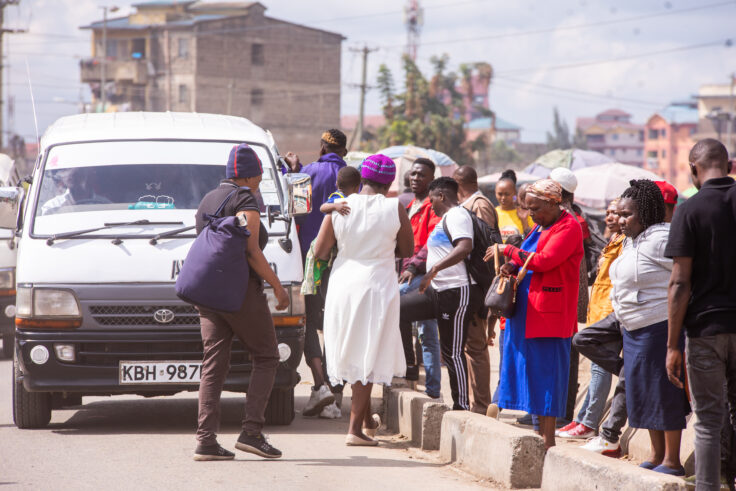
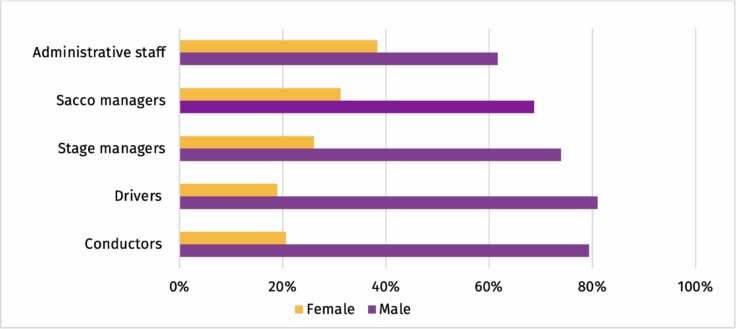
Nairobi’s transport system is currently dominated by privately operated 14-seater minibuses and 16- to 40-seater buses, which face a range of challenges. These include an ageing and highly polluting vehicle fleet, irregular service schedules, inconsistent fare structures, and widespread safety concerns. Women, in particular, report high rates of harassment, making daily commutes especially unsafe. The city’s transport infrastructure further exacerbates these issues, with poorly maintained feeder roads, inadequate walkways, and a lack of essential amenities, conditions that disproportionately affect vulnerable users such as women, children, older people, and persons with disabilities. Gender disparities are also evident in the transport workforce, with women significantly underrepresented.
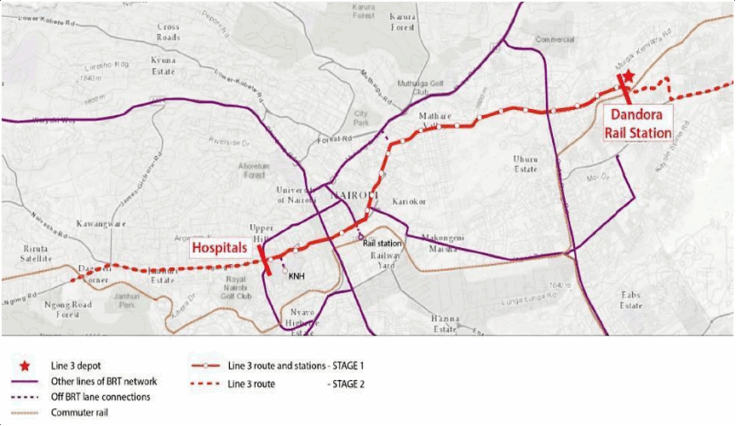
To strengthen inclusivity within the BRT system, the Institute for Transportation and Development Policy (ITDP) collaborated with the Nairobi Metropolitan Area Transport Authority (NaMATA) and the Transformative Urban Mobility Initiative (TUMI), under the TUMI E-Bus Mission, to conduct a focused review of both design and operational plan. This review aims to integrate universal design principles, improve station and vehicle accessibility, and ensure inclusive service planning. As a result, the BRT system will better serve all users, particularly women, children, the elderly, and persons with disabilities, by enhancing safety, comfort, and accessibility throughout the transit journey.
This work directly advances ITDP’s objective of massively increasing public transport ridership by designing inclusive systems. By integrating gender-responsive and universally accessible features into core system planning, public transport becomes safer and more user-friendly, key factors for attracting more users, contributing to our goal to increase public transport ridership by at least 50% by 2030.
Engaging Users to Shape Inclusive BRT Systems
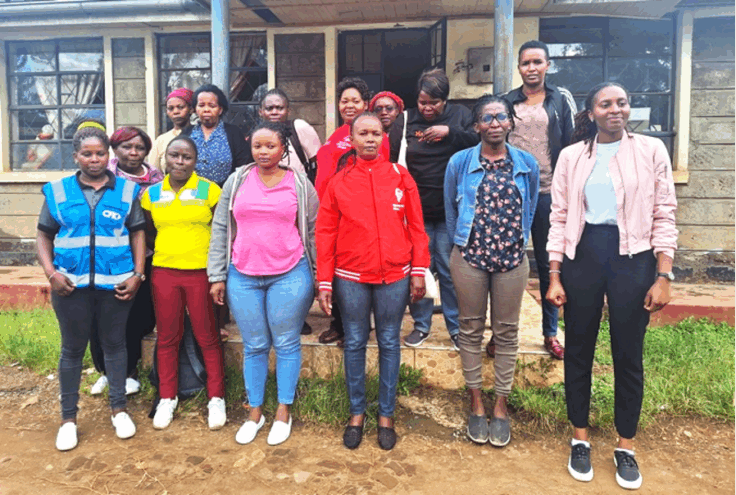
To ensure that BRT Line 3 responds to the needs of all users, the study adopted a comprehensive mixed-methods approach that combined infrastructure assessments, user surveys, and stakeholder engagement. This included physical evaluations of transport facilities along the corridor and feeder routes, gender-disaggregated passenger counts, commuter interviews, and focus group discussions with women, children, and persons with disabilities across key terminals such as Kenyatta Hospital, Ronald Ngala, OTC, Eastleigh, and Dandora. Operator and SACCO interviews further provided insight into workforce dynamics and institutional challenges.
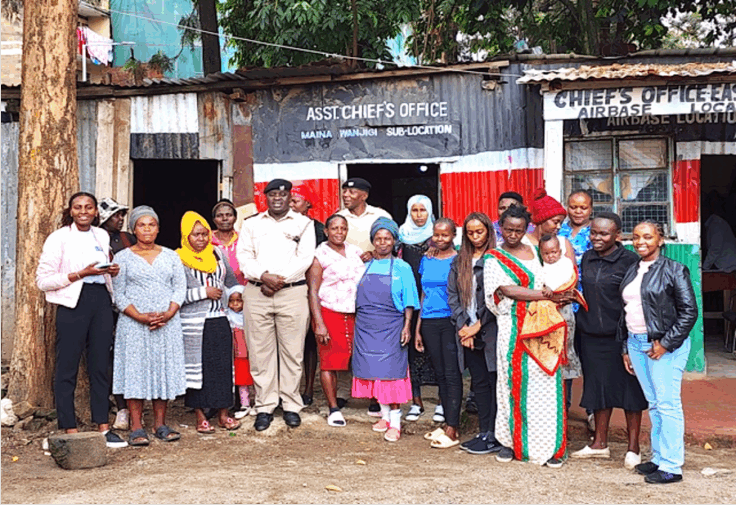
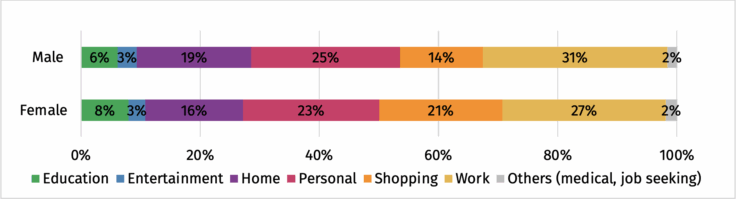
These engagements revealed clear disparities in access, experience, and priorities across user groups. While men constituted the majority of passengers, women were more sensitive to transport costs, availability, and connectivity. Their travel patterns were also more complex, often involving multiple purposes such as work, caregiving, shopping, and education, making them more affected by long waiting times and multiple transfers. At the same time, safety concerns emerged as a critical barrier, with widespread experiences of harassment and limited trust in reporting mechanisms.
The infrastructure assessment further highlighted significant gaps in the existing system. Poorly maintained walkways, inadequate pedestrian crossings, insufficient lighting, and a lack of basic amenities such as shelters and toilets create unsafe and uncomfortable travel conditions. These challenges are particularly pronounced for women, children, and persons with disabilities, who face additional barriers related to accessibility and personal security.
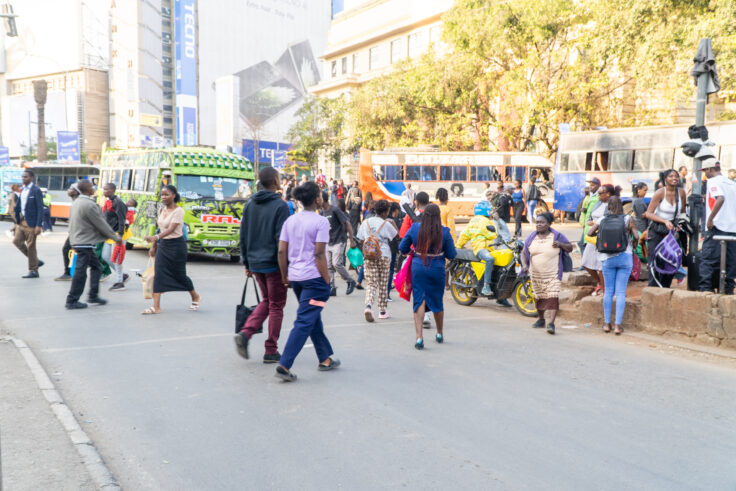
On the section between Kambi Moto towards Eastleigh-Juja Road, there is a risk of pedestrians being knocked down due to a lack of segregation, no pedestrian crossings and high vehicular speeds.
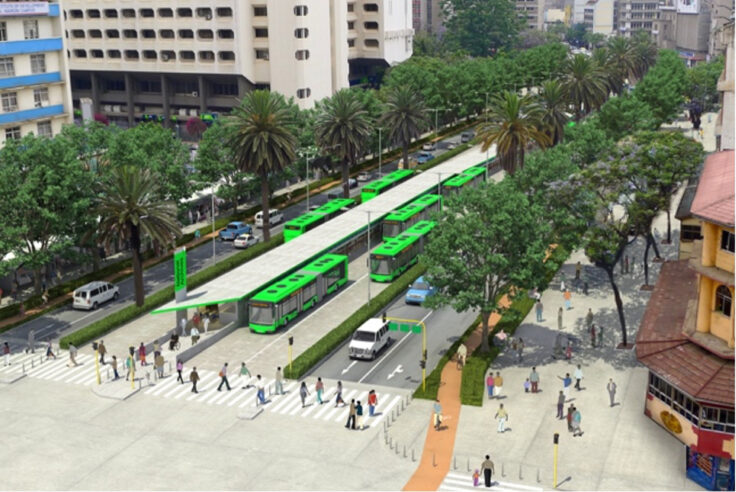
Pedestrians crossing the existing corridor (left) and the proposed BRT Line 3 upgrades, with improved crossings and safer access
Centering Inclusion and Access in BRT Planning
In response, the study emphasises the need to embed inclusive design and operational principles at every stage of BRT planning. It calls for a fundamental shift in how BRT systems are conceived, placing inclusion and access at the centre of decision-making from the outset, rather than treating them as secondary considerations. This approach moves beyond infrastructure-led planning toward a more integrated model that aligns design, operations, and user experience with how people actually move through the city.
Design services around how women actually travel: Public transport systems often assume simple, linear commutes. The evidence shows otherwise. In Nairobi, many women make complex, multi-purpose trips that combine work, caregiving, shopping, and education. These patterns make transfers costly. BRT Line 3 offers an opportunity to respond by prioritising direct services that reduce transfers and waiting times. When service planning reflects real travel behaviour, the system becomes not only more efficient, but more equitable.
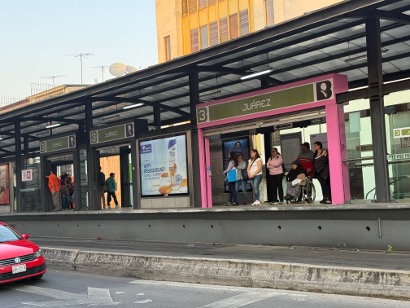
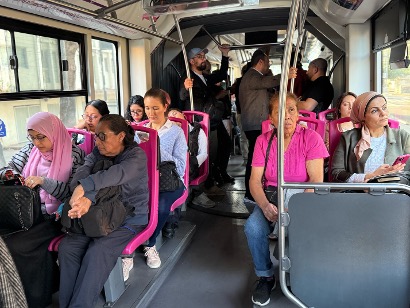
Design stations and vehicles for real users: Inclusive design must respond to the diversity of passengers. Low-entry, universally accessible vehicles; level boarding; and designated spaces for wheelchair users and passengers carrying goods are essential. Features such as doors on both sides can improve operational flexibility and reduce travel time, while audio-visual announcements ensure accessibility for passengers with visual or hearing impairments. These are not marginal improvements; they define whether the system works for everyone.
Boarding platform designed for women and people with disabilities only (left) and women-only sections on the BRT buses in Mexico City
Treat security as a system, not a feature: Security cannot rely on isolated interventions. It must be designed into the entire system, from infrastructure to operations to institutional response. The study highlights the need for CCTV in stations and buses, well-lit and visible spaces, clear and accessible reporting mechanisms, and trained staff who can respond effectively. These measures, combined with public awareness and strong coordination with law enforcement, are essential to building trust, particularly for women, who disproportionately experience harassment and insecurity in public transport.
Make affordability and fares work for those who depend on public transport most: Accessibility is not only about infrastructure, it is also about cost. Distance-based, affordable, and unified fare systems are essential to ensure that low-income users are not priced out of mobility. When fares are predictable and integrated across modes, they reduce friction in daily travel and enable broader access to jobs, education, and services. This is a foundational condition for inclusion, not an add-on.
Close the gap between experience and reporting: A striking finding is that many women do not report incidents of harassment. Instead, they ignore them or handle them individually, often because formal systems are unclear or ineffective. This is not a behavioural issue; it is a system failure. Strengthening reporting channels, ensuring follow-through, and making responses visible and credible are critical steps toward restoring confidence and accountability.
Fix the walking environment, because every journey begins and ends there: The quality of access to BRT matters as much as the service itself. Safe, continuous footpaths, adequate width, unobstructed walkways, and reliable street lighting are non-negotiable. Without these, even the best-designed BRT system fails at the first and last mile, particularly for women, children, and people with disabilities.
Use BRT to reshape the public transport workforce: Inclusion must extend beyond passengers to those who operate the system. Women remain significantly underrepresented across roles in the transport sector, facing barriers such as stigma, harassment, and limited access to training. BRT presents a chance to reset this. Gender-responsive recruitment, targeted training programmes, and inclusive contracting models, such as those enabled through gross-cost contracts, can improve working conditions while expanding participation. This is both a social and operational imperative.
An Opportunity for Change in Nairobi: Learning from Bogotá
Bogotá demonstrates that applying a gender perspective to public transport is not just an abstract idea but a practical choice that influences how the system works every day. Since 2000, TransMilenio has expanded to carry over 2 million passengers daily. But its real strength lies in how it has evolved to respond to the realities of women’s mobility needs. Women’s journeys are often more complex, combining work, caregiving, and household responsibilities, often during off-peak hours and with greater exposure to risk. Bogotá has responded by looking beyond the corridor, investing in safe pedestrian access, improved lighting, and connected cycling networks to support the entire journey. This signifies a straightforward yet vital shift: inclusion is not only about moving people but about whether they can move safely, reliably, and with dignity.
Safety and security are treated as part of how the system performs, not as an afterthought. The city has implemented CCTV across stations and buses, ensured visible staff presence, and established clearer reporting systems, supported by public campaigns such as “No es hora de callar” that confront harassment directly. These are not isolated measures; they are part of a broader effort to build confidence in the system. At the same time, service design plays a critical role. Frequent services and reduced waiting times are not just operational improvements; they directly reduce exposure to risk and make travel more manageable for women navigating complex daily routines. In Bogotá, reliability and safety are closely linked.
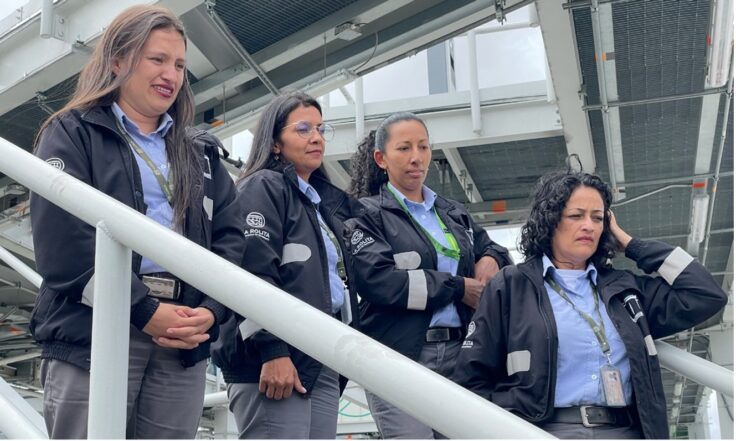
Perhaps most notably, Bogotá is also changing who the system works for—and who it employs. Through La Rolita, the city has made a deliberate effort to bring more women into the public transport workforce, particularly as drivers. This has required targeted recruitment, training, and the provision of formal, safer working conditions in a sector that has long excluded women. The result is not only greater representation, but a shift in how the system is perceived and experienced. Bogotá’s experience makes one thing clear: gender inclusion does not happen by default. It is the result of consistent, system-wide decisions that shape infrastructure, operations, and institutions together
These combined interventions show how such reforms can improve safety, access, and inclusion for women in public transport systems. They provide a clear reference for implementing Nairobi’s BRT Line 3. The implementation of Nairobi’s BRT Line 3 presents a transformative opportunity to create a public transport system that is more inclusive, safe, accessible, and equitable for all users, particularly women, children, and persons with disabilities.